




The games industry runs on talent. The people who build and lead the teams behind those studios matter just as much.

As new employment legislation comes into force, it’s worth asking a simple question: is your hiring process setting your team up for long-term success?

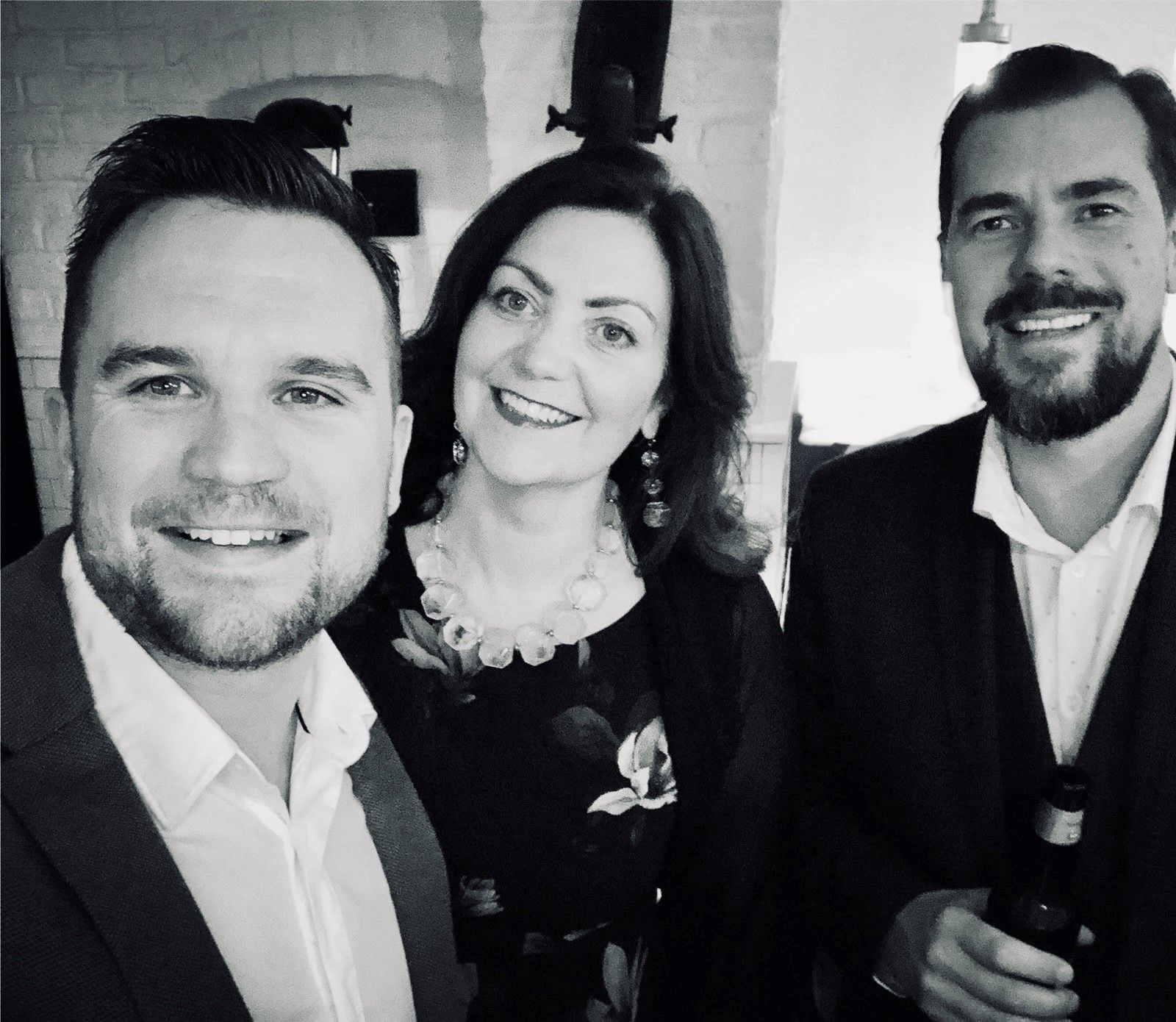
We are delighted to announce that our Business Manager Liz Prince has been recognised with an MBE in the King’s Birthday Honours for services to the Games Industry and Diversity. Her official citation reads: ‘Business Manager, Amiqus, Founder, G Into Gaming and Co-Founder, Empower Up. For services to the Games Industry and Diversity.’ Liz has spent over 30 years as a recruitment professional, including more than two decades specialising in the games industry. Through her role at Amiqus, she has supported studios, publishers and games businesses across the UK and internationally, helping games companies find specialist talent while championing fairer, more inclusive hiring practices across the sector. Alongside her work at Amiqus, Liz founded G Into Gaming in 2018, an initiative created to recognise and celebrate women working in the games industry and to shine a light on those helping to create more inclusive workplaces. She is also Co-Founder of Empower Up, a platform developed with Dom Shaw (Founder, Sussex Games) and trade body Ukie, to provide practical guidance, resources and signposting around equity, diversity, inclusion, hiring, leadership and workplace culture for games studios and individuals across the industry. Liz’s work has focused on making diversity and inclusion more visible, practical and accessible within games. Through industry partnerships, events, resources, mentoring and advocacy, she has worked with others to turn ideas into practical action, helping to improve representation, workplace culture and fairer hiring practices across the industry. Liz Prince said: “I am incredibly honoured to receive this recognition. The games industry has been a huge part of my working life, and I care deeply about the people and businesses within it. This honour reflects work that has always been collaborative. G Into Gaming, Empower Up and the wider conversations around diversity and inclusion in games have involved so many people who have given their time, voices, ideas and support. I’m proud of what we have built, but I also know there is still more to do. My hope is that this recognition helps keep attention on the importance of fairer access, better representation and more inclusive workplaces across the games industry.” Amiqus has been a specialist recruitment partner to the games industry for more than 25 years, working with studios and games businesses across the UK, Europe and beyond. The business supports clients with specialist talent search, flexible hiring solutions and strategic recruitment partnerships, with a long-standing commitment to candidate care, inclusive hiring and sector expertise.

Stress, burnout and wellbeing are hardly new topics. But the conversation is evolving – and quickly. Because while organisations continue to invest in employee wellbeing, a growing body of research suggests leaders themselves are facing a very different, and often more complex, reality. From how burnout shows up at different levels, to why leaders report better lives but worse days, this week’s insights come during Stress Awareness Month and highlight a shift that senior leadership teams shouldn’t ignore… Burnout Looks Different Across The Org Chart: Harvard Business Review explores how burnout manifests differently across a company and why that matters for leaders. At junior levels, burnout often shows up as overwhelm and workload pressure, for example. But higher up, it’s more likely to present as decision fatigue, isolation, and the weight of constant responsibility. The key takeaway? Traditional ‘one-size-fits-all’ wellbeing strategies miss the mark. Senior leaders are less likely to show and feel burnout in obvious ways, and are more likely to internalise it. For C-suite leaders, that creates a double risk: not only experiencing burnout differently, but being the least likely to address it. Read more here - https://hbr.org/2026/04/burnout-looks-different-across-the-org-chart-watch-for-these-signs Leaders Have Better Lives… But Worse Days: New data from Gallup adds an interesting contradiction. Leaders, on average, report higher overall life satisfaction than non-leaders. But day-to-day? Their experiences are often more stressful, more pressured, and more emotionally intense. In other words, leadership comes with long-term rewards – but short-term strain. For senior teams, this matters because those ‘worse days’ are where culture is set. Stress at the top doesn’t stay contained; it cascades through decision-making, communication, and ultimately team performance. Take a look at the data and analysis here - https://www.gallup.com/workplace/708332/leaders-better-lives-worse-days.aspx 5 Things Leader Must Know To Shift From Chronic Stress To Total Joy: Here Inc. speaks to Amy Leneker, speaker, leadership consultant, and author of the book Cheers to Monday: The Surprisingly Simple Method to Lead and Live with Less Stress and More Joy. In addition to her experience as a leader herself, she has carried out research into stress in the workplace, whilst interviewing management and employee teams. The result is seen her in book on how to tackle stress and bring back joy, and it’s worth take a look at some of her key advice here - https://www.inc.com/marcel-schwantes/leaders-change-stress-joy-amy-leneker-book-cheers-to-monday/91294062 Crisis Fatigue Is Becoming the Norm : Time highlights a reality many leaders will recognise: we’re operating in a near-constant state of disruption. Economic shifts, industry consolidation, layoffs, technological change – it’s a steady stream of ‘next crises’. The result? Employees are experiencing sustained stress, not isolated spikes. And increasingly, leaders are expected to respond in real time, with empathy, clarity, and consistency. That’s a big ask. And it reinforces a broader point: leadership today isn’t just about strategy; it’s about emotional endurance. It’s an interesting read on how we got to this point, and also offers some practical steps that leaders can take - https://time.com/charter/7346471/how-to-address-employee-stress-when-theres-a-new-crisis-every-day/ 5 Books To Rethink Stress And Strengthen Leadership: And finally, Management Issues provides a recommendation on books that can offer some more help around this topic. From turning uncertainty into better decision making, to transforming workplace pressure into growth, to linking wellbeing to performance, and more – there are books to suit all. Take a look here - https://www.management-issues.com/reading/7811/5-books-to-rethink-stress-and-strengthen-leadership/ Given the challenges that the industry has faced over the past couple of years, my guess is that more games leaders than ever are suffering from stress. I hope these articles are useful – and I’d love to hear any advice you have to share with others around this issue.

I lead Amiqus’ Executive Search service and, while I may be biased, the reality is simple: few decisions shape a business more than its senior hires. The leaders you bring in define strategy, influence culture, and set the pace for growth. Get it right, and you build momentum. Get it wrong, and it can set you back months, sometimes years. Senior Hires Carry Real Weight Whether you’re hiring a CEO, CTO or a senior leader within your team, these roles come with real responsibility. They’re not just there to ‘do a job’, they’re there to: Set direction and make critical decisions Build, lead and inspire teams Drive growth and innovation Represent your business internally and externally That’s why we often see senior hiring benefit from a more deliberate, structured approach, tailored to the complexity of the role. The Real Cost of a Bad Hire We’re used to hearing discussion about the cost of hiring – but what about the cost of getting it wrong? At the leadership level, the impact goes far beyond salary; a bad hire can have a ripple effect across the whole organisation. Time lost while things don’t quite ‘click’ Unsettled or disengaged teams Projects slowing down or losing direction The cost, stress and disruption of having to start again It’s often estimated that a failed senior hire can cost 3–5 times their salary. And that’s before you factor in the wider impact on your business. So, Why Executive Search? Executive Search is a more proactive, targeted approach, focussed on identifying and engaging the right people – especially those not actively looking. It allows you to: Access a broader, more relevant talent pool Reach experienced leaders who won’t be on job boards Properly assess not just skills, but leadership style and cultural fit Make more confident, informed decisions In short, it helps you get closer to the right hire, not just the available one. How Amiqus Can Help At Amiqus, we know that no two senior hires are the same. We work closely with our clients to really understand what success looks like – beyond the job description. The leadership style needed How the role fits into the wider business The challenges and opportunities the hire will face From there, we build a tailored search: leveraging our network, engaging the right people, and carrying out a thorough, insight-led selection process. We’re also direct. If something doesn’t feel right, we’ll say so. If the market’s telling us something important, we’ll share it. It’s About Reducing Risk Executive Search is designed to give you a stronger chance of getting a critical hire right first time. It helps you to: Avoid rushed or reactive decisions Access better-aligned candidates Save time internally Move forward with confidence Because at leadership level, ‘good enough’ rarely is. Hiring exceptional leaders isn’t easy, but it’s one of the most valuable investments a business can make. Executive Search provides the structure, reach and insight to do it properly. And when you get that hire right, the impact is lasting. If you’re planning a senior hire, feel free to get in touch – I’m always happy to have a conversation.

It is sadly true that ‘crunch’ still seems to be an issue in some parts of the game dev sector – although thankfully it is becoming less of a problem as employees push back. So, the idea of institutionalising extreme working hours as a standard operating model feels like a huge step backwards. But it’s definitely worth highlighting a workplace trend emerging elsewhere in tech: the so-called ‘996 work culture’ – working 9am to 9pm, six days a week. Originating in parts of China’s tech sector and now resurfacing in segments of Silicon Valley’s AI boom, it’s being discussed as a badge of ambition and competitive drive. For C-suite leaders in the games industry, this is less about alarm – and more about awareness. It’s a trend we hope the industry consciously avoids. The Tech Firms Embracing a 72-Hour Working Week: A deep dive here by the BBC into this practice, providing a need-to-know on this approach to working, as well as revealing the attitudes of some start-up tech founders who believe ‘Slackers are not my brothers’. As the BBC reports, “… for every ambitious company founder, the ever-present fear is that someone else will get there first. Speed is of the essence – and tech sector workers are under pressure to work harder, and longer, to get results quickly.” Get the full inside story here - https://www.bbc.co.uk/news/articles/cvgn2k285ypo ‘Work Hard, Play Hard’ is Over. Inside Silicon Valley’s 996 Culture: This article by Forbes article describes how some startups are prioritising a simply ‘work hard’ culture, with a relentless productivity focus. 70-hour weeks are becoming an expectation rather than an exception in some spaces, with job ads making no bones about what is expected of employees. One observer notes that he has seen mattresses on the floor in every office of one company: “During interviews, they ask candidates if they’re willing to sleep at work – and people line up for jobs there.” Read more here - https://www.forbes.com/sites/dariashunina/2026/01/22/work-hard-play-hard-is-over-inside-silicon-valleys-996-culture 996 Culture is Coming at ‘Human Expense’: No surprises here, with Business Insider reporting that burnout is increasing fast in Silicon Valley. Interviews with AI researchers and engineers suggest that even when long hours are framed as voluntary or passion-driven, they can lead to exhaustion, strained relationships and health concerns. Burnout appears as a recurring theme, as you can discover here - https://www.businessinsider.com/996-work-culture-silicon-valley-burnout-ai-researchers-2026-2 The Dark Side of the AI Boom: Spotlighting Silicon Valley too, PCMag highlights how Silicon Valley’s embrace of 996 mirrors earlier trends in China’s tech scene, where such schedules drew legal and cultural backlash. The article focuses on some real-life stories from those who are embroiled in this way of working, missing out on time with friends and family and with other areas of their personal lives spiralling out of control. Discover what they have to say here - https://uk.pcmag.com/ai/162909/the-dark-side-of-the-ai-boom-silicon-valley-embraces-chinas-brutal-work-trend Of course, 996 is not a defining feature of the games industry. But the conversation around it matters – particularly when tech sectors intersect, as they increasingly do through AI, live services and cross-platform innovation. As competition and economic pressures increase, the temptation to equate longer hours with greater commitment can grow. But evidence consistently shows diminishing returns beyond a certain point – and increasing costs to morale, retention and reputation. What are your thoughts…?

Liz Prince , Business Manager of Amiqus and co-founder of the Empower-Up EDI platform, which launched with Ukie two years ago. The website and resources aim to help studios of all sizes on their diversity and inclusion journeys. Here she discusses the importance of mentoring for supporting the professional – and personal – development of individuals, particularly women and those from under-represented groups…
OUR 25th AWARD IN 25 YEARS!
Learn how strong company culture boosts employee happiness & drives growth in staffing.

Explore how leaders can adapt to change with emotional intelligence. Read Caroline Stokes' insights for effective leadership today!